Connect this guide with the rest of your visit in the Jerusalem trip planner. Read how the research is made and what its sources establish.
At a glance
Start here
- Choose a compact district before choosing individual stops.
- Check transport, venue and religious-service information separately.
- Keep Friday afternoon lighter and solve the return route in advance.
- Use official pages again on the travel day because hours and access are mutable.
01
Choose the time window before the attractions
Begin with the part of the weekly cycle you will actually experience. Friday morning can support a conventional museum or market plan, while Friday afternoon requires a closer closing-time check. Friday evening is better treated as its own quiet plan. Saturday daytime may support walking and individually verified attractions, but it should not be planned from weekday assumptions.
Religious holidays can change the pattern again. Write the date, the district and the two most important stops at the top of the itinerary. Then verify those stops directly. A search snippet, an old timetable or a broad claim that the city is open or closed is too blunt for a specific visit.
- Friday morning: place any time-sensitive indoor stop first
- Friday afternoon: reduce transfers and keep a clear finish point
- Friday evening: choose a simple walk or pre-arranged meal
- Saturday: verify each attraction and the trip home
02
Solve the outward and return journeys separately
Use Israel's official public-transport information service for the current route. Check the outward journey and the return journey as two separate searches because service can change across the Friday-to-Saturday boundary. Save the destination pin and a road-transport fallback before setting out.
Do not let an available outward bus create a false assumption about the return. If the itinerary crosses districts, identify the point after which you can finish on foot or use a transport option you have already checked. People carrying luggage, travelling with children or managing limited mobility should shorten the walking radius.
Sources: National Public Transport Authority03
Build one walkable Old City or west-city loop
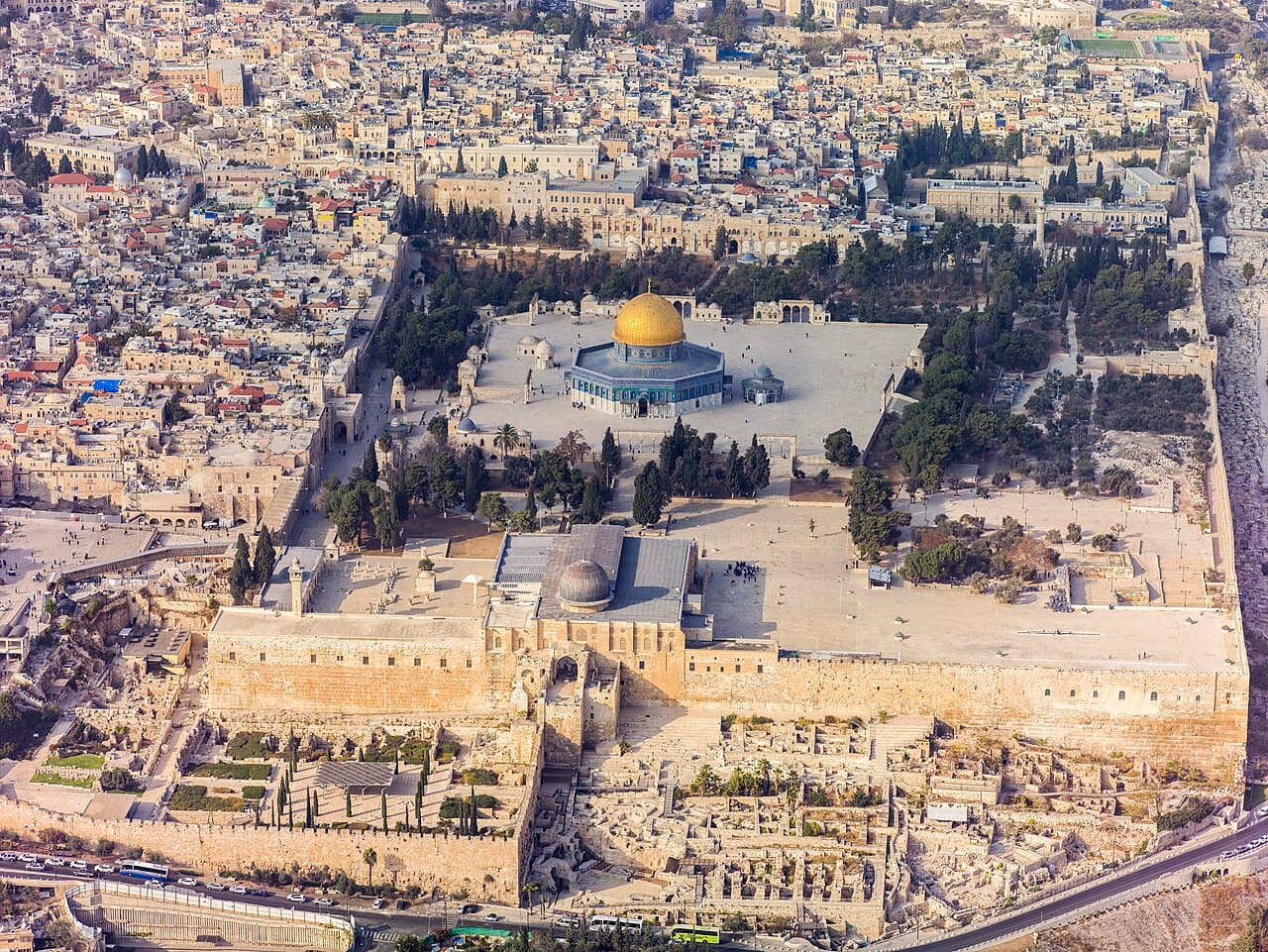
The Old City and its Walls are a UNESCO World Heritage property. That designation explains the density of religious, historic and architectural sites, but it does not turn the area into a single attraction with one entrance or timetable. Choose a gate, a main destination and a realistic exit point rather than trying to cover every quarter.
A west-city plan can instead use one institution and nearby public space. Tower of David publishes a dedicated Shabbat visitor page, which makes it a useful example of the right checking method: consult the institution's own dated information rather than copying a general weekend list. Its current page should still be checked close to travel.
Sources: UNESCO World Heritage Centre; Tower of David Jerusalem Museum04
Separate visitor access from religious services
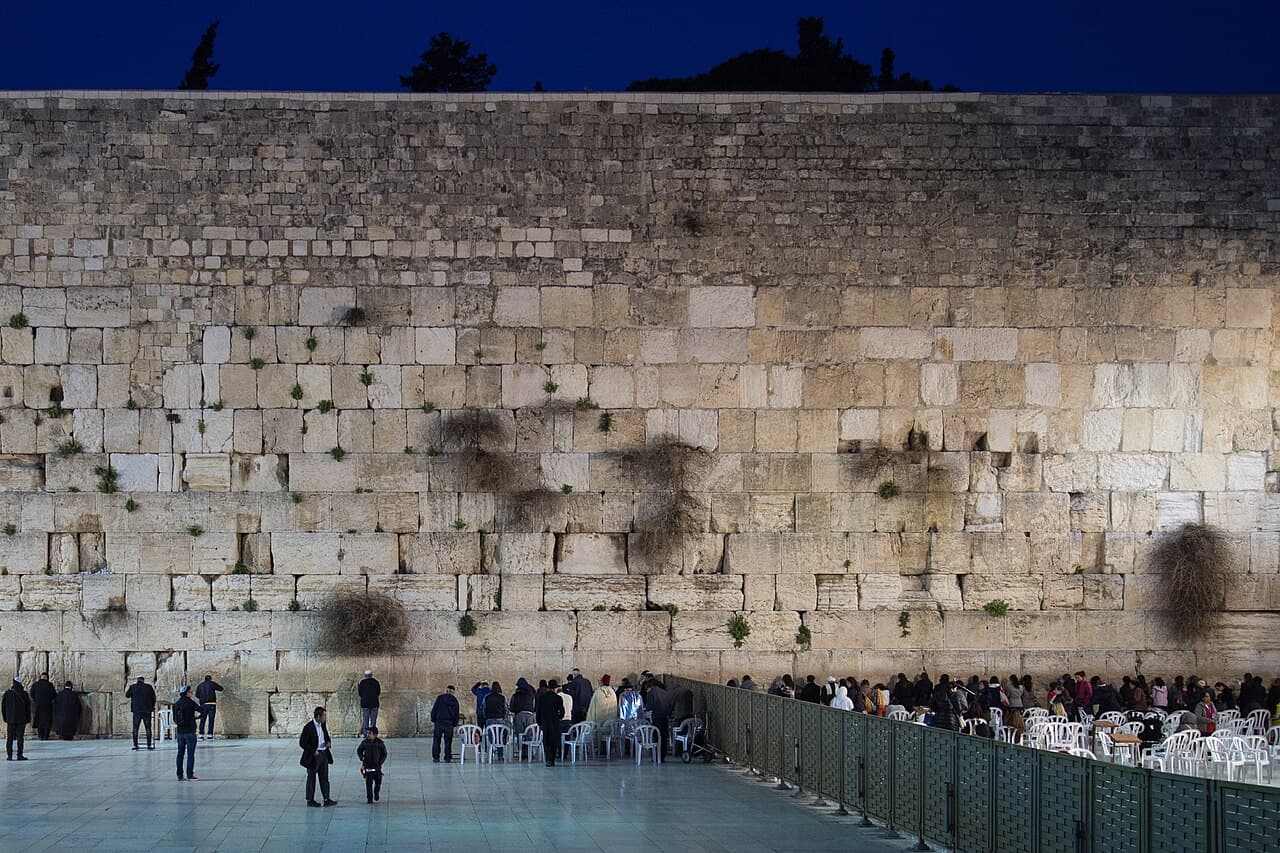
A sacred place can have public visiting information, worship activity and temporary restrictions at the same time. Check the managing body's visitor notice and observe instructions at the entrance. Dress, photography, queues and quiet zones should be handled according to the site's posted rules.
Avoid building a tight route through several active holy places. A service, security procedure or local observance can change the time available without making the day a failure. One primary sacred site and one optional nearby stop is a more respectful and resilient structure.
Sources: UNESCO World Heritage Centre05
Decide food and rest before the quiet period
Confirm meal arrangements directly with the restaurant or accommodation, including the date and the time you expect to arrive. Do not infer service from a map listing alone. Carry water and a modest snack where appropriate, and note a place to sit that does not depend on a venue remaining open.
This step matters because a route can be geographically compact but still tiring on stone streets, slopes and crowded approaches. Put the meal or rest decision into the plan before adding another attraction.
Sources: National Public Transport Authority; UNESCO World Heritage Centre06
Keep a short contingency version
Create a full version and a short version of the same district plan. The short version should preserve the main site, a rest point and the confirmed journey home. Use it if weather, queues, closures or group energy change.
If an official notice conflicts with a blog or saved screenshot, follow the official notice. If the main venue closes, stay within the same district rather than starting a cross-city rescue itinerary. This keeps the day coherent and reduces dependence on uncertain transfers.
Sources: National Public Transport Authority; Tower of David Jerusalem Museum07
Run a three-source check on the day
First check the official transport journey. Second check the official page for the anchor venue. Third check any managing body or heritage page relevant to a sacred or protected place. Save the useful pages or screenshots for reference, while treating live signs and staff instructions as controlling on site.
The result should fit on one note: start point, anchor, optional stop, meal, return plan and fallback. That is enough structure to make the day usable without pretending that a citywide weekly pattern can be frozen into one article.
Sources: National Public Transport Authority; Tower of David Jerusalem Museum; UNESCO World Heritage CentreUseful answers
Reader questions
Does all of Jerusalem close for Shabbat?
No single citywide statement is reliable enough for an itinerary. Transport and venue patterns vary, so check the official journey planner and each intended attraction for your exact date.
Sources: National Public Transport Authority; Tower of David Jerusalem MuseumWhat is the safest structure for a Friday afternoon plan?
Choose one compact district, put any timed venue first, decide food and the return journey in advance, and keep a shorter version that can end on foot.
Sources: National Public Transport AuthorityCan I tour several holy places during services?
Do not assume visitor access during worship. Check the managing body's notice, follow entrance instructions and leave enough time for queues, observance and temporary restrictions.
Sources: UNESCO World Heritage CentreRead the evidence
Sources and further reading
These sources support the relevant sections above. Plans and comparisons are editorial suggestions. Check operators for current arrangements.
- Israel National Public Transport Information ↗National Public Transport Authority · Research date 14 September 2026
Official live route and service planning for public transport.
- Shabbat in the Tower ↗Tower of David Jerusalem Museum · Research date 14 September 2026
Institution-specific Shabbat visitor information and the need for a current hours check.
- Old City of Jerusalem and its Walls ↗UNESCO World Heritage Centre · Research date 14 September 2026
Heritage status and the Old City's concentration of religious and historic places.