A Jerusalem trip cannot be responsibly reduced to a green light or a red light. Official advice differs by nationality, changes with events, and draws boundaries that do not match a visitor's casual use of words such as Jerusalem, East Jerusalem, the West Bank, Israel or Palestine. A workable decision therefore needs a date, an exact route and several live checks.
This guide was reviewed on 14 September 2026. It is a planning method, not a prediction that conditions will hold. Use it before booking, again before the cancellation deadline, on departure day, and before each movement that crosses an authority, checkpoint or transport system. If an official instruction conflicts with this page, the live official instruction wins.
At a glance
Start here
- Start with advice issued for your own nationality and insurance policy.
- Map every overnight stop, airport, road and crossing by jurisdiction.
- Recheck flights, local instructions and Old City access on the day.
- Keep a reversible plan that works if one visit or movement is cancelled.
01
Read the date, audience and legal effect
The United Kingdom page was marked current on 14 September 2026 and last updated on 22 July 2026. It covers Israel and Palestine for British travellers. The United States page was reissued on 26 August 2026 at Level 3, Reconsider Travel, for Israel; it names Level 4 areas and addresses US citizens. Those are two useful official views, but neither automatically answers the question for a Canadian, Indian, Australian or dual national. Find the foreign ministry advice for every passport you hold and identify which document your insurer uses.
Treat wording as consequential, not atmospheric. The UK distinguishes between areas where it advises against all travel and areas where it advises against all but essential travel. The US page uses its own framework and names additional high-risk areas and boundaries. Save the page date and the exact wording when you make a booking decision; do not rely on a cropped social post or an old search snippet.
Sources: UK Foreign, Commonwealth & Development Office; US Department of State02
Map the real itinerary, not just the hotel pin
Write down the airport, every road segment, each overnight address, any day trip and every border crossing. Then match each element to the official advice. The UK overview defines different advice zones around Gaza, in northern Israel and the occupied Golan Heights, and across parts of the West Bank. Its wording treats East Jerusalem differently from one of its wider West Bank advice zones, but that exception is a boundary description, not a declaration that East Jerusalem is safe.
The distinction matters because a booking labelled Jerusalem can lead to movements through places governed, policed or advised about differently. A driver, rental agreement or tour listing does not erase those differences. If you cannot identify the jurisdictions on a proposed route, ask the operator for the exact route in writing before paying. Re-run the check if a road diversion or substitute hotel changes it.
Sources: UK Foreign, Commonwealth & Development Office; UK Foreign, Commonwealth & Development Office03
Separate entry permission from security advice
Entry rules answer whether an authority may admit a particular traveller; travel advice addresses risk and government assistance. They are not interchangeable. The UK entry page says the authorities set and enforce entry rules and frames its passport information around full British citizen passports. That is a warning against copying its passport or authorisation language into a universal checklist.
Check requirements for your citizenship, passport type, travel history and complete route with the relevant authorities. Do this again shortly before departure. Being eligible to enter does not mean a government recommends the journey, an insurer covers it, an airline will operate it, or a land crossing will remain open. Conversely, possessing an air ticket does not establish that admission is guaranteed.
Sources: UK Foreign, Commonwealth & Development Office; UK Foreign, Commonwealth & Development Office04
Build a live-check stack for each travel day
Use a fixed order so one reassuring source does not crowd out the others. First read your government's dated advisory. Next read current local civil-defence instructions and reputable local reporting. Then check the airline directly, the airport board, the relevant road or rail operator, and the attraction or worship site you intend to enter. Ask your accommodation about the immediate area and the nearest protected space without treating reception staff as a substitute for official advice.
The UK safety page says restrictions can be imposed at short notice and advises following Home Front Command guidance. It also notes possible disruption at Ben Gurion Airport and that demonstrations can affect airport access. The US advisory likewise says the security environment can change quickly and that flights may be curtailed. A flight marked scheduled yesterday is therefore evidence about yesterday, not a promise for tomorrow.
- Set alerts from your foreign ministry and airline.
- Carry offline copies of documents and essential contact details.
- Check the outward journey as carefully as the arrival.
- Repeat the stack before an intercity or cross-jurisdiction movement.
05
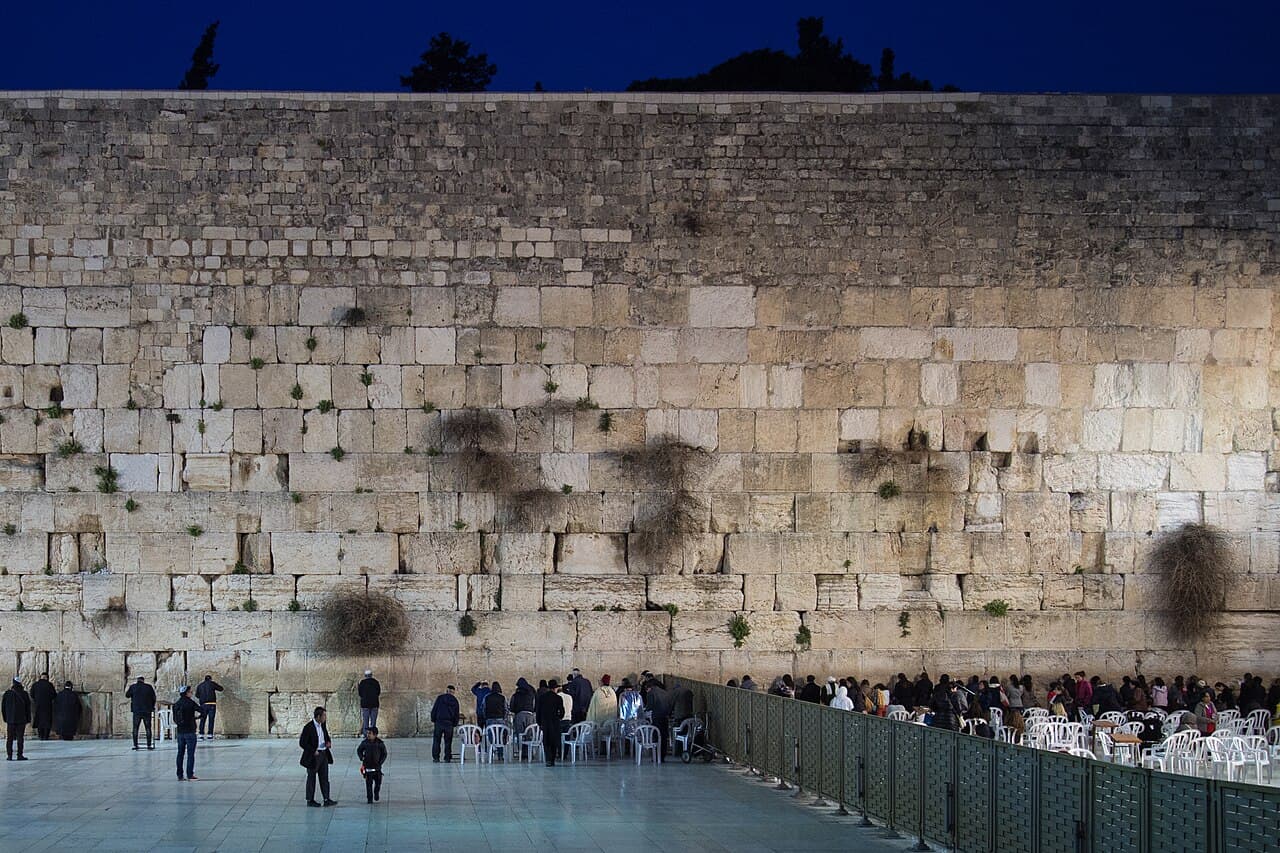
Treat Old City access as a live variable
The UK regional page identifies protests and incidents in and around the Old City, including near Damascus, Herod's, Lion's and Chain Gates. It says entrances may gain extra security checks or close. It also describes limits that can affect West Bank residents, especially around Ramadan. These details are reasons to ask who may enter, through which gate and at what time, rather than converting a general opening hour into a personal guarantee.
If a gate is tense, closed or controlled, do not improvise a route through another neighbourhood on the assumption that it is equivalent. Follow official instructions, avoid demonstrations and let the visit go. Build Old City days around one meaningful priority with an alternative outside the walled city. That makes a closure disappointing rather than itinerary-breaking and reduces pressure to argue with staff or security personnel.
Sources: UK Foreign, Commonwealth & Development Office; UK Foreign, Commonwealth & Development Office06
Make money and timing decisions reversible
Prefer fares and rooms whose cancellation terms you have actually read. Avoid stacking a non-refundable flight, prepaid airport transfer, timed museum entry and cross-border excursion so tightly that one delay destroys the chain. Keep medicine, chargers, identification and a change of clothes accessible rather than buried in checked baggage. Leave enough funds and card capacity to change a flight or add nights if you are able to do so.
Insurance needs a direct conversation. The UK overview warns that travelling against its advice may invalidate insurance. Ask the insurer how it treats your exact destinations, disruptions arising after purchase, evacuation, missed connections and a change in official advice. Save the response and policy version. This is less glamorous than itinerary design, but it is the point where vague confidence becomes a decision you can defend.
Sources: UK Foreign, Commonwealth & Development Office; US Department of State07
Define stop rules before emotion takes over
Choose in advance what would make you postpone, stay inside, change route or leave. Examples include your government moving the relevant area into a stronger advice category, an airline cancelling the return sector, a local authority issuing instructions you cannot follow, or a planned crossing closing without a viable alternative. The threshold should reflect your health, mobility, dependants, experience and tolerance for uncertainty, not another traveller's appetite for risk.
On the ground, a siren, nearby security operation, violent incident or instruction from authorities is not a cue to continue sightseeing. Follow local directions and move only when authorities say conditions permit. No checklist makes travel risk-free. Its purpose is to expose assumptions early, preserve options and make cancelling a normal planning outcome rather than a personal failure.
Sources: UK Foreign, Commonwealth & Development Office; UK Foreign, Commonwealth & Development Office; US Department of StateUseful answers
Reader questions
Is Jerusalem safe to visit on 14 September 2026?
There is no honest blanket answer. Current official advice distinguishes areas and nationalities, and both UK and US sources warn that conditions can change quickly. Check advice for your citizenship, exact route and insurance today, then repeat the check before every significant movement.
Sources: UK Foreign, Commonwealth & Development Office; US Department of StateDoes East Jerusalem have the same advisory status as the rest of the West Bank?
Do not assume so. The current UK wording makes a specific East Jerusalem exception within one broader West Bank advice zone, while other warnings about Jerusalem and the Old City still apply. Read the mapped wording itself and do not interpret an exception as a safety assurance.
Sources: UK Foreign, Commonwealth & Development Office; UK Foreign, Commonwealth & Development OfficeCan I rely on a sacred site's published opening hours?
No. Official regional advice says Old City entrances can face extra checks or closure, and access restrictions may affect different people differently. Check the site's current channel and local official instructions on the day, and keep an alternative plan.
Sources: UK Foreign, Commonwealth & Development OfficeWill travel insurance cover a cancellation caused by changed advice?
Only the insurer can answer for your policy. The UK government warns that travelling against its advice may invalidate cover. Ask about your named areas and disruption scenarios in writing rather than inferring protection from a generic policy headline.
Sources: UK Foreign, Commonwealth & Development OfficeRead the evidence
Sources and further reading
These sources support the relevant sections above. Plans and comparisons are editorial suggestions. Check operators for current arrangements.
- Israel travel advice ↗UK Foreign, Commonwealth & Development Office · Accessed 14 September 2026
Dated advice status, geographic advice distinctions, disruption warning and insurance caveat.
- Regional risks: Israel travel advice ↗UK Foreign, Commonwealth & Development Office · Accessed 14 September 2026
Jerusalem and Old City gate risks, access controls, West Bank movement conditions and jurisdiction distinctions.
- Safety and security: Israel travel advice ↗UK Foreign, Commonwealth & Development Office · Accessed 14 September 2026
Short-notice restrictions, airport disruption, demonstrations, holiday-related tension and local-instruction guidance.
- Entry requirements: Israel travel advice ↗UK Foreign, Commonwealth & Development Office · Accessed 14 September 2026
Authority of border officials and nationality-specific scope of passport guidance.
- Israel Travel Advisory ↗US Department of State · Accessed 14 September 2026
US-specific advisory reissued 26 August 2026 at Level 3 for Israel, named Level 4 areas, fast-changing security conditions and possible flight disruption.