Walk inside the Old City with a gate strategy
Explore the Old City on foot, but choose your entry and exit gates before starting so you do not add unnecessary climbs or retrace crowded lanes.
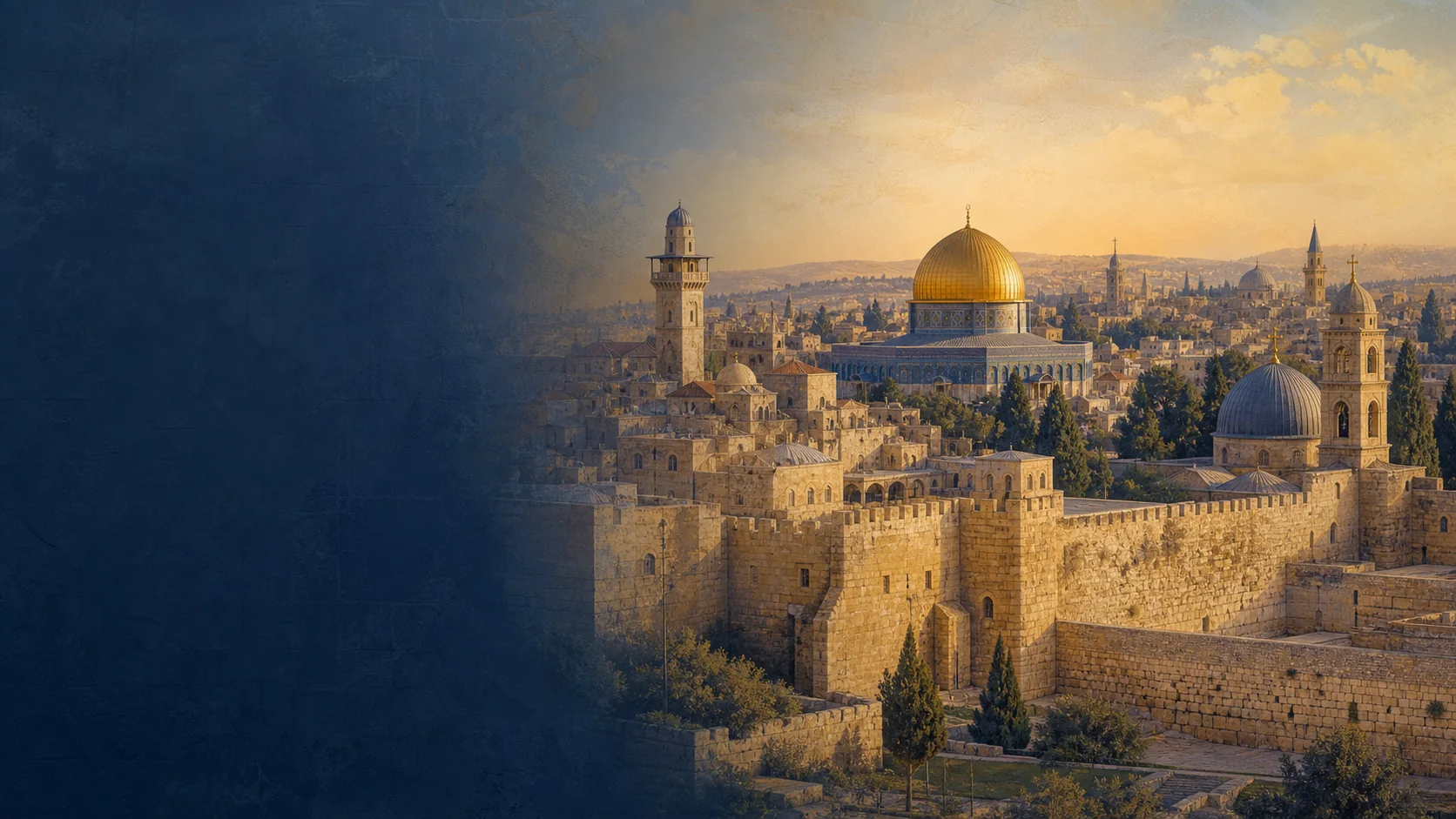
The UNESCO-listed walled city is compact on a map yet physically demanding. Steps, slopes, polished paving and dense foot traffic make direct-looking routes slower than expected. Jaffa Gate is useful for the Tower of David area, while other gates serve different quarters and approaches. Confirm current access and never assume a vehicle can carry you through a pedestrian route.
Download or collect a proper Old City map and use major gates, streets and institutions as anchors. GPS can be imprecise in tight lanes and may suggest stairs that do not suit a wheelchair, pushchair or heavy luggage. The official Old City visitor information page is a better planning source than an unverified shortcut posted on social media.
- Mark both the intended entrance and exit gate.
- Allow extra time for gradients and crowds.
- Use a staffed tourist information point when uncertain.
Use the light rail as the central connector
The light rail is most useful for linking central Jerusalem, Mahane Yehuda and western parts of the city without repeatedly using taxis.
Jerusalem's transport authority describes the operating Red Line and publishes network information. Use its current map and service notices on the travel day, because construction and operational changes can make an old blog route unreliable. Identify the correct stop name before boarding and keep enough time to orient yourself after leaving the platform.
The rail does not remove all walking. Old City gates, markets and museum campuses still require a final approach, sometimes over uneven ground. Treat the train as the long middle segment of a journey, not door-to-door transport. If mobility is limited, contact the destination about its accessible entrance and then work backward to the most suitable stop.
- Check the official service page on the morning of travel.
- Keep the destination name available in local script.
- Validate or activate the correct fare product as instructed.
Group the Israel Museum and Yad Vashem carefully
Visit these major institutions in planned blocks and confirm their own access information instead of assuming a quick transfer between exhibits.
The Israel Museum is a broad campus with major archaeology, art and cultural collections. Its official website should guide your arrival, ticket and accessibility planning. Once inside, selective viewing is more productive than leaving early to chase another appointment. Allocate the institution the focus that your chosen collections deserve.
Yad Vashem sits in the Mount Herzl area and is a memorial and research institution as well as a museum. Check its visitor information directly and arrive with emotional as well as logistical space. Combining both sites can work for some travellers, but a delayed morning should lead to a shorter museum list, not a rushed memorial visit.
- Save official confirmation emails offline.
- Ask each institution about step-free arrival if needed.
- Keep a quiet break between major museums.
Plan the Mount of Olives as a point-to-point trip
Choose a defined start, finish and return mode for the Mount of Olives rather than improvising a long uphill walk after sightseeing.
The ridge contains viewpoints, cemeteries and religious sites spread along sloping roads and paths. The official Jerusalem travel guide provides an overview, but current transport and site access still need checking. Decide which specific places matter and whether your route descends toward the Old City or returns by road.
Heat, rain and poor visibility can change the experience, as can local traffic or access conditions. Carry water, use suitable footwear and avoid an isolated shortcut offered by an unverified map. Travellers with limited mobility should arrange transport to a confirmed accessible point rather than treating the entire ridge as one walk.
- Share the planned endpoint with your group.
- Avoid adding the ridge after an exhausting Old City day.
- Use current official information for return transport.
Build buffers around observance and security
Add flexible time to every transfer because religious days, events and security arrangements can affect both roads and pedestrian approaches.
A route that works on one weekday may not work identically around a weekly observance or major religious event. Check the official city and transport channels, and ask your accommodation about the immediate neighbourhood without relying solely on its general advice. Keep one nearby alternative rather than crossing the city whenever a door is closed.
Carry identification and booking details as required, but do not photograph security installations or obstruct checks. Follow directions calmly and allow local passengers and residents to move. Good Jerusalem transport planning is less about finding a single perfect app than about combining official information, geographic grouping and enough time to adapt respectfully.
- Avoid the last possible connection before a timed entry.
- Keep an offline map and charged phone.
- Follow official diversions even when a saved route differs.