Day one: read the Old City as one connected place
Begin at the walls and gates, then explore the Old City's quarters on foot while treating every sacred site as an active place of worship.
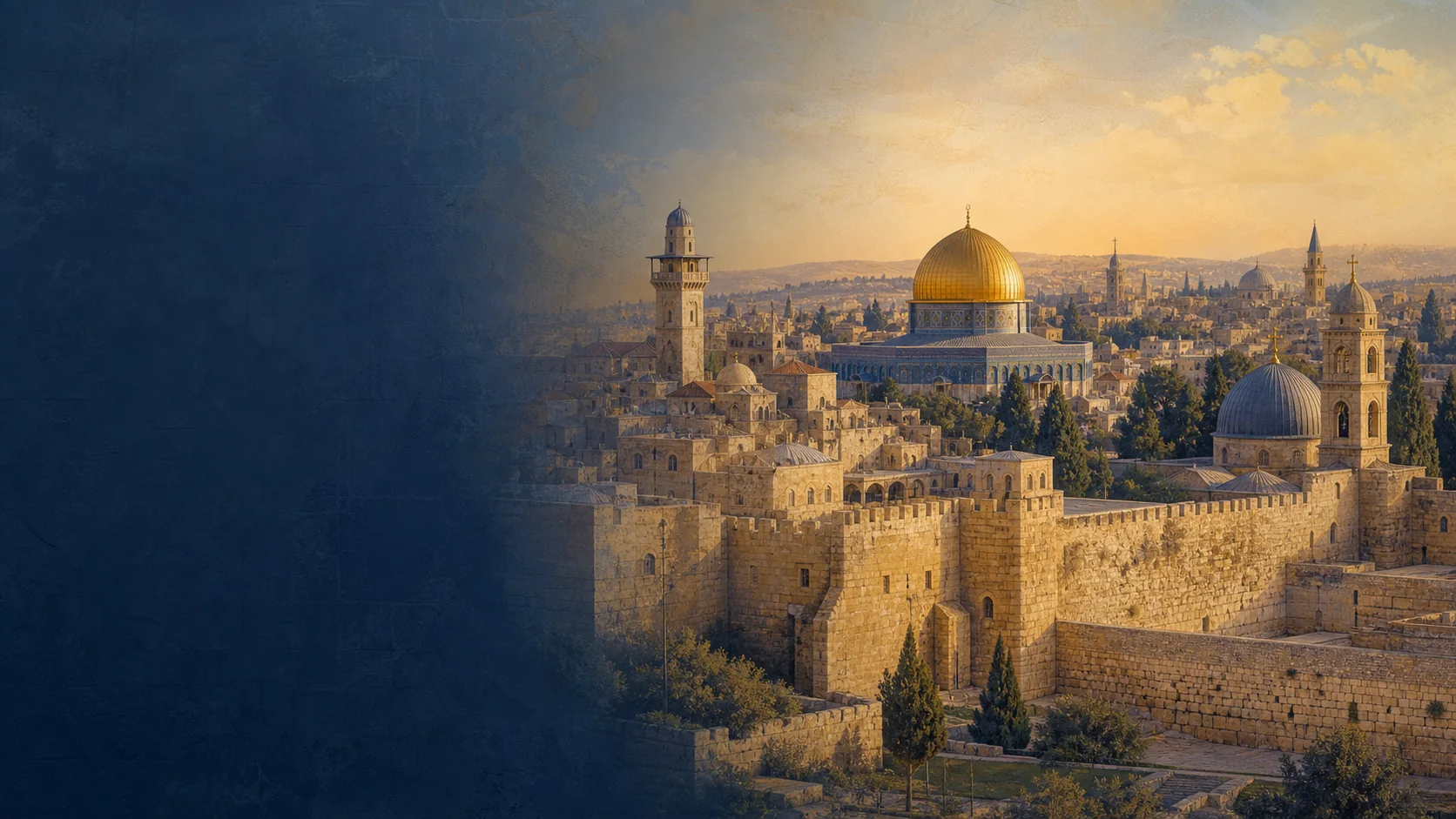
Enter through a gate that suits your route and spend the morning understanding the street pattern before pursuing individual landmarks. UNESCO lists the Old City of Jerusalem and its Walls as a World Heritage property, and that designation covers a dense urban landscape rather than a single monument. Walk slowly, keep a map available, and notice how markets, homes, schools and religious institutions share the same constrained network of lanes.
Choose a limited set of sacred sites instead of attempting every major shrine. The Western Wall Heritage Foundation publishes visitor information for the Western Wall, while the Franciscan Custody provides guidance for visiting the Church of the Holy Sepulchre. At each place, follow posted instructions, keep voices low and allow worshippers to pass. End at the Tower of David Museum near Jaffa Gate, where the city-history presentation can place the day's fragments into a longer chronology.
- Carry water and shoes suitable for polished stone and steps.
- Ask before photographing people, worship or private courtyards.
- Recheck access before approaching a sensitive precinct.
Day two: give the major museums enough time
Reserve the second day for one or two substantial institutions west of the Old City, with pauses between them rather than a hurried museum marathon.
The Israel Museum combines archaeology, art and Jewish cultural holdings. Decide which collections matter most before arrival, because the campus is too broad for an unfocused dash. Use its official website to confirm current exhibitions and visitor arrangements.
Yad Vashem requires a different pace and emotional register. Its official site presents the Holocaust History Museum, memorial spaces, archives and educational work; treat the visit as an act of study and remembrance, not a photo stop. Place a meal or quiet break between the two institutions if you visit both. If your interest is primarily archaeology or art, spend longer at the Israel Museum and move Yad Vashem to another morning.
- Check each museum's official calendar before fixing the order.
- Do not schedule a celebratory activity immediately after Yad Vashem.
- Use only official booking pages for timed or controlled entry.
Day three: connect the ridge, market and modern city
Use the final day for the Mount of Olives landscape, then return to central Jerusalem for Mahane Yehuda and nearby streets.
The Mount of Olives brings together viewpoints, cemeteries and churches associated with several faith traditions. Terrain and road crossings can make a point-to-point walk demanding, so define your start and finish and use current transport information.
Later, shift from sacred landscape to daily life at Mahane Yehuda Market. The official Jerusalem visitor site describes the market as both a daytime food market and a district with later dining activity, but trading rhythms can change around religious days. Browse without blocking narrow aisles, ask before photographing vendors and choose a few foods deliberately. Finish with a modest walk through central streets instead of adding another distant monument.
- Check weather and local conditions before a ridge walk.
- Keep the market visit flexible around weekly and religious schedules.
- Leave buffer time for security checks and route changes.
Where to stay for this route
Stay near the Old City or central light-rail corridor if walkable access matters most; choose the museum side of town only if those institutions dominate your plans.
A base near Jaffa Gate makes the first day straightforward and supports an early start, but access by vehicle can be constrained in and around the historic centre. A central-city base near the light rail gives a practical compromise between the Old City, Mahane Yehuda and western institutions. Consult the Jerusalem transport authority's current maps rather than selecting accommodation from distance alone.
Accessibility needs should shape the choice more than atmosphere. Old stone, gradients and steps can turn a short map distance into a difficult journey. Ask accommodation providers direct questions about step-free entrances, lift access and the exact walking route from the nearest stop. The official Old City visitor information page also identifies tourist information and accessibility considerations worth reviewing before arrival.
- Compare walking gradients as well as kilometres.
- Confirm late arrival access directly with the property.
- Save the address in both English and the locally useful script.
How to keep the plan resilient
Treat every day's first stop as the priority and keep the final stop optional, because observances, security decisions and events can alter access.
Jewish, Christian and Muslim observances can affect crowds, traffic and sites, while custodial or security decisions may change entry. Check official sources before the trip and each morning. Never seek an unofficial route around a closure.
Keep museum confirmations, transport information and addresses available offline. If the Old City becomes impractical, use the museum day; if a museum booking moves, explore a central neighbourhood without forcing a complicated cross-city substitution. This approach preserves the purpose of the visit while respecting the city and the people who live and worship there.
- Make one priority booking per day, not several tight commitments.
- Retain an indoor alternative for difficult weather.
- Follow official instructions rather than crowd behaviour.